- ■
Zoox expands to Las Vegas airport weeks after launching paid robotaxi service
- ■
Airport routes represent 15-20% of ride-hailing revenue with highest operational complexity
- ■
Success validates autonomous as commercial Uber/Lyft substitute, not tourist attraction
- ■
Watch whether Zoox handles baggage, surge demand, and airport coordination at scale
Zoox just made the jump from tourist routes to commercial battleground. The Amazon-backed robotaxi service is expanding to Las Vegas airport just weeks after it started charging riders, according to TechCrunch. This isn't just geographic expansion—it's the moment autonomous vehicles shift from controlled demonstration to the most demanding test in ride-hailing: airports, where baggage handling, surge timing, and regulatory coordination separate novelty services from actual Uber and Lyft competitors.
Zoox is betting its commercial future on the toughest route in ride-hailing. The company's expansion to Las Vegas airport—announced just weeks after it began charging passengers—marks the inflection point where robotaxis transition from controlled tourist circuits to the operational proving ground that makes or breaks ride-hailing services.
The timing tells the story. Zoox launched paid rides in Las Vegas only recently, sticking to predictable routes along the Strip where traffic patterns are known and destinations are concentrated. Airport service is a different calculation entirely. It's where ride-hailing companies make 15-20% of their revenue, where operational complexity multiplies, and where customer expectations are unforgiving.
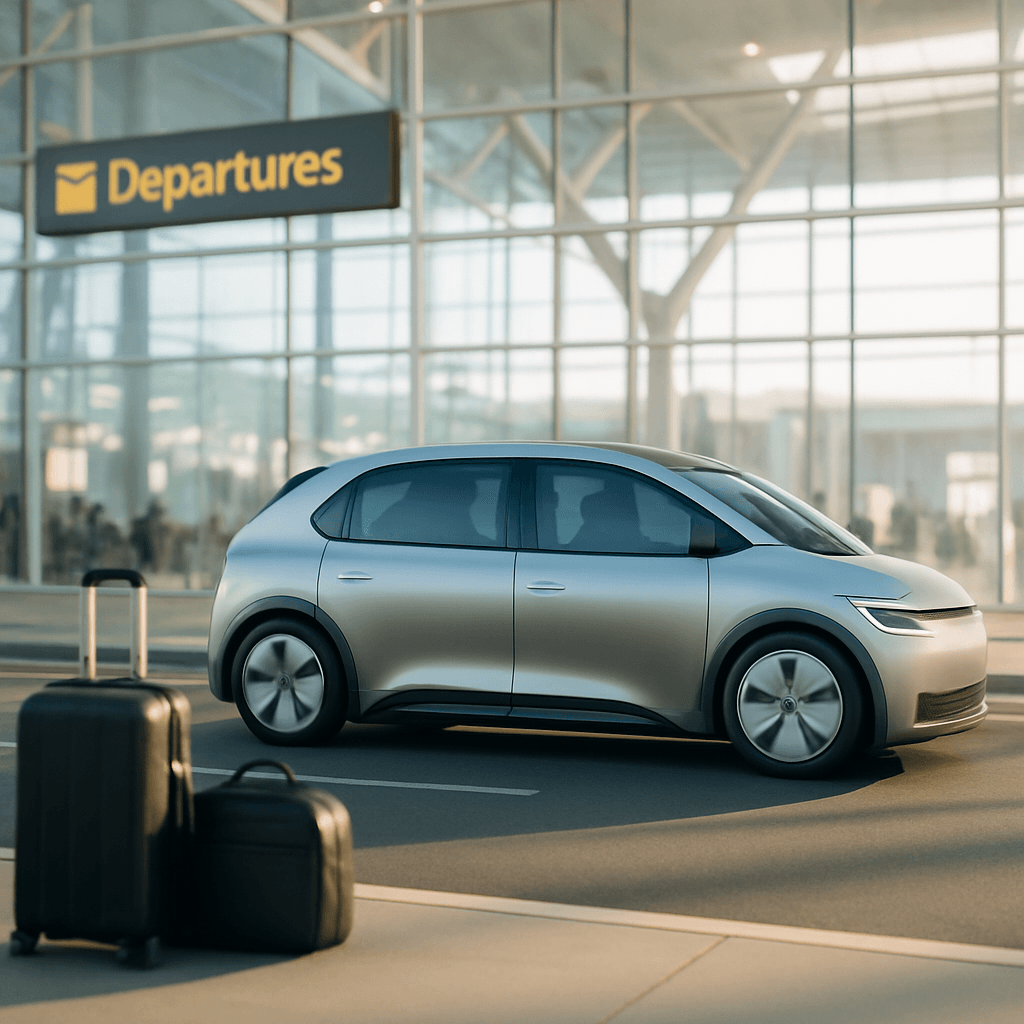
Airports expose everything. Passengers arrive with luggage that needs trunk space and handling protocols. Flight delays create unpredictable demand surges that stress dispatch systems. Airport authorities impose strict pickup coordination requirements that tourist routes never face. And riders evaluate the service not against novelty but against the Uber or Lyft they could have ordered instead.
This is Amazon's play through Zoox to prove autonomous vehicles can compete on commercial terms, not just technological ones. The company acquired Zoox in 2020 for over $1 billion, betting that purpose-built autonomous vehicles could leapfrog the retrofit approach taken by competitors like Waymo. But technology advantage only matters if it translates to operational viability on routes that actually drive revenue.
The competitive context matters here. Waymo operates airport service in Phoenix, proving the model can work. But Las Vegas presents different variables—higher tourist volume, more concentrated demand windows, different regulatory frameworks. Zoox is testing whether its bidirectional vehicle design and Amazon-backed logistics expertise create operational advantages on complex routes.
For Uber and Lyft, this marks the moment autonomous competition arrives at their highest-margin routes. Airport rides command premium pricing because they're time-sensitive and luggage-intensive. Human drivers tolerate airport queues because the fares justify the wait. Autonomous vehicles eliminate the driver cost structure entirely, potentially undercutting pricing while maintaining margins.
The market structure implications extend beyond Las Vegas. If Zoox proves it can handle airport operations—baggage coordination, surge demand, regulatory compliance—at commercial scale, the playbook extends to every major airport corridor. That's the transition from pilot program to actual ride-hailing substitute.
But the operational reality check is coming. Airport service exposes whether autonomous dispatch systems can manage flight delay cascades, whether vehicle interiors hold up to luggage wear, whether pickup coordination works when airport authorities impose restrictions, and whether the service delivers reliability that business travelers demand.
The timing window for autonomous providers is now. Airport authorities are establishing policies for robotaxi operations before the technology proves itself at scale. Early movers like Zoox and Waymo can shape those frameworks. Companies that wait face regulations written around competitors' operational models.
For investors evaluating autonomous vehicle companies, airport expansion is the commercial validation checkpoint. Tourist routes prove technology works in controlled environments. Airport service proves it can compete for actual ride-hailing revenue on routes where operational complexity, not novelty, determines success.
The next threshold to watch is operational metrics that Zoox won't publicly share but that matter enormously: pickup time consistency, baggage handling incident rates, surge demand fulfillment, and revenue per vehicle hour compared to tourist routes. Those numbers determine whether this expansion validates the autonomous business model or exposes the gap between demonstration and commercial viability.
This is what the inflection point looks like—not a technological breakthrough but an operational bet that autonomous vehicles can compete on the routes that actually matter to ride-hailing economics. Amazon is putting Zoox through the commercial stress test. The market is about to find out whether robotaxis can handle it.
For builders in autonomous tech, airport operations are now the commercial proving ground—solve luggage, surges, and coordination or stay in tourist routes. Investors should watch operational metrics over the next quarter: if Zoox maintains service consistency through holiday travel peaks, autonomous becomes a viable Uber/Lyft competitor. Decision-makers at airports and ride-hailing companies have 6-12 months before autonomous policies solidify around early movers' frameworks. The transition from demonstration to commercial substitute is happening now, and airport performance is the validation checkpoint that matters.