- ■
OpenAI launched ChatGPT Images 2.5 with sketch-to-image input, matching competitor capabilities
- ■
Users type @Sketch to access drawing canvas, then combine sketches with text prompts for image generation
- ■
Midjourney and Adobe Firefly already offer similar sketch input—this represents OpenAI catching up on UX
- ■
Relevant for builders tracking multimodal interface patterns, minimal strategic impact otherwise
OpenAI rolled out ChatGPT Images 2.5 today with a new Sketch feature that converts rough drawings into AI-generated images. The capability—activated by typing @Sketch in the chat interface—lets users doodle directly in ChatGPT before adding text prompts to refine output. It's a clean implementation of multimodal input that Midjourney, Adobe Firefly, and other competitors have offered for months. This isn't an inflection point. It's feature parity in a maturing market where interface improvements are table stakes.
OpenAI just closed a UX gap that's been visible for months. The company's new Sketch feature in ChatGPT Images 2.5, announced Tuesday, lets users draw rough sketches as visual prompts for AI image generation. Type @Sketch, a drawing canvas appears, you scribble something with your mouse or stylus, add text instructions, and ChatGPT renders a polished image based on both inputs.
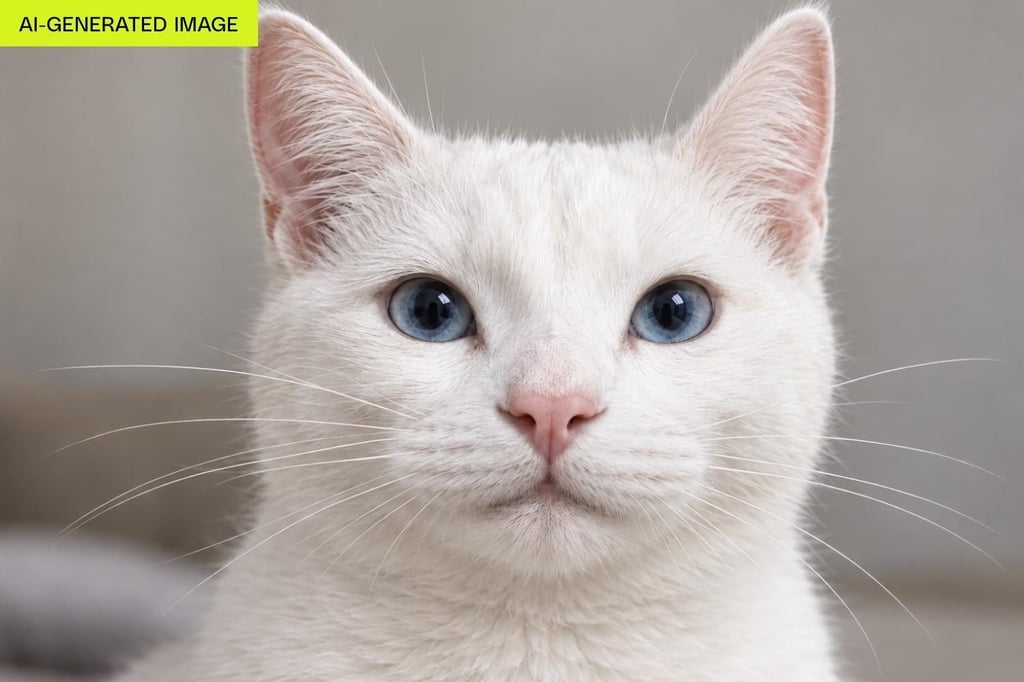
The Verge's Jay Peters tested it with a crude cat doodle drawn via computer mouse. ChatGPT successfully converted it to a realistic photo. The feature also includes inline commenting on image parts, creating a more iterative workflow for refinement.
But here's the context that matters: this capability isn't new to the AI image generation market. Midjourney has supported sketch-based input since early 2026. Adobe Firefly integrated drawing tools into its interface last fall. Stability AI's DreamStudio added similar functionality months ago. OpenAI is catching up to established patterns, not pioneering them.
For builders working with multimodal AI interfaces, this represents incremental progress worth noting. The @Sketch activation pattern is clean—it fits OpenAI's broader strategy of expanding @ commands for tool access inside ChatGPT. That's smart product design: consistent interaction models reduce cognitive load as feature sets expand.
The inline commenting addition is more interesting from a workflow perspective. Most AI image tools still treat generation as somewhat atomic—you create, evaluate, then regenerate with modified prompts. Commenting directly on image regions creates tighter feedback loops. If OpenAI connects those comments to model understanding of spatial relationships, it could improve iteration speed.
But that's a product refinement conversation, not a market transition. The AI image generation space has moved past capability races into UX optimization. Every major platform now handles text-to-image, image-to-image, and sketch-to-image workflows. The differentiation happens in speed, quality consistency, and interface friction—not in whether a feature exists.
What this tells us about OpenAI's positioning: the company is systematically filling feature gaps across ChatGPT to maintain platform stickiness. They're not leading on every front. They're ensuring ChatGPT remains competitive enough that users don't need to context-switch to specialized tools for common tasks.
That's a rational strategy for a platform play. ChatGPT's moat isn't cutting-edge image generation—it's being the default interface for a broad range of AI tasks. Sketch input removes one more reason to leave ChatGPT for Midjourney when you need visual output.
For investors and decision-makers, this update doesn't signal much. It's maintenance work on an existing product line. The revenue implications are marginal—image generation was already available in ChatGPT; this just adds another input method.
For professionals building with AI tools, the lesson is about market maturity. When features stop being differentiators and become expected functionality, you're watching a technology category stabilize. Sketch input is now table stakes for any serious AI image platform. That's useful information if you're evaluating which capabilities to build versus which to consume as commoditized services.
OpenAI's Sketch feature is documentation of market maturation, not innovation. For builders tracking multimodal AI interface evolution, it confirms sketch input has moved from experimental to expected. The @Sketch command pattern is clean product design worth studying. But there's no strategic timing window here—no advantage to early adoption, no penalty for waiting. This is OpenAI doing homework to maintain platform completeness while competitors already offer similar capabilities. Watch how inline commenting develops as a potential workflow differentiator, but otherwise, this is just the AI image generation market filling in the obvious boxes.