- ■
OpenAI added sketch input to ChatGPT Images 2.5, letting users draw doodles for image generation
- ■
Feature mirrors existing sketch-to-image tools in Midjourney, Adobe Firefly, and competitor platforms
- ■
Represents interface evolution in maturing AI image generation market, not new capability unlock
- ■
Relevant for builders evaluating multimodal input options, minimal strategic impact for investors or enterprises
OpenAI rolled out ChatGPT Images 2.5 with sketch-to-image input, letting users draw rough doodles that the AI transforms into detailed images. The feature, activated by typing @Sketch, adds visual input to existing text prompts. This isn't a capability breakthrough—Midjourney, Adobe Firefly, and others already offer similar sketch interpretation. It's interface catch-up in a maturing category where differentiation now happens at the UX layer rather than the model layer.
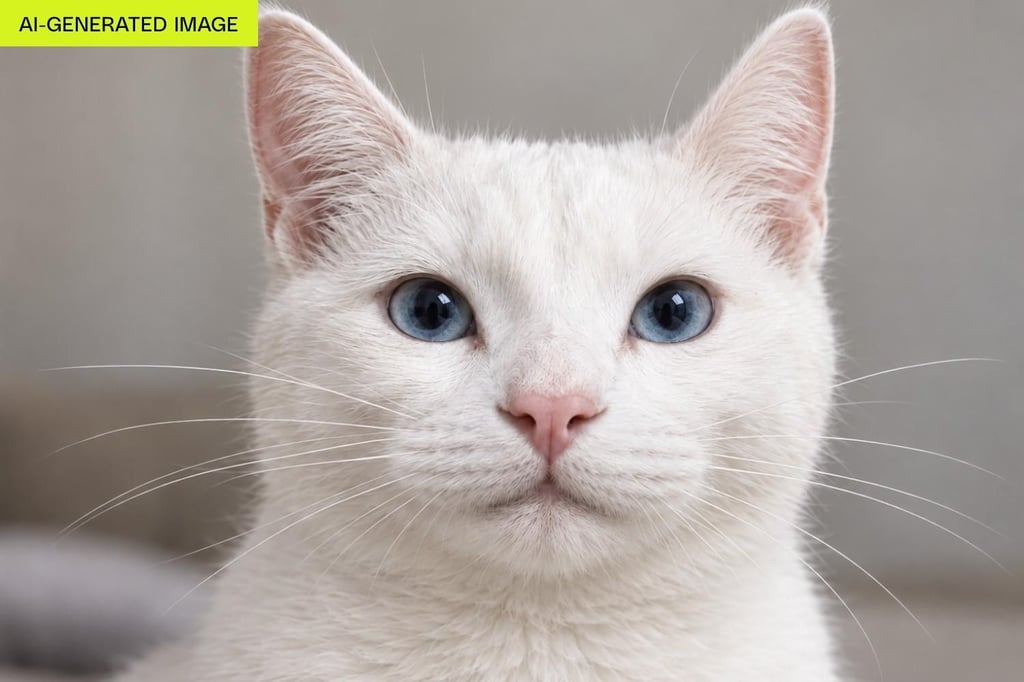
OpenAI just added another input method to its image generation toolkit. ChatGPT Images 2.5 now accepts sketches—rough drawings users create directly in the interface that the AI interprets and transforms into detailed images. You type @Sketch, a drawing window pops up, you doodle with your mouse or stylus, add text instructions, and the model generates accordingly. The Verge tested it with a crude cat sketch and got a realistic photo back.
This is feature parity, not innovation. Midjourney has offered sketch-to-image for months through its /describe and image prompting features. Adobe Firefly built sketch interpretation into its creative suite. Stability AI and others support visual input alongside text. The capability itself—understanding rough visual concepts and rendering them with detail—became table stakes in AI image generation somewhere around mid-2024.
What's happening here is the maturation pattern we've seen before. Early in a technology category, differentiation comes from raw capability—who can generate the best images, who has the most accurate understanding, whose model produces fewer artifacts. Then the models converge in quality and the competition shifts to interface, workflow integration, and ease of use. We're watching that shift happen in real-time across AI image tools.
The sketch feature signals where OpenAI sees the battleground. Not in model performance—GPT-4o and competitors like Anthropic's Claude with vision capabilities are reaching rough parity on multimodal understanding. The fight now is over how seamlessly users can express intent. Text prompts require specific vocabulary and iteration. Sketches let users show rather than tell, lowering the expertise barrier.
For builders evaluating these tools, the question isn't whether sketch input represents breakthrough capability. It doesn't. The question is whether your users need multiple input modalities and which platform's workflow fits your use case. If you're building consumer apps where visual expression matters, sketch support is now expected across major platforms. If you're focused on enterprise workflows, text precision often beats visual approximation.
The update also includes inline image commenting—another interface refinement. Users can now leave notes directly on parts of generated images, presumably to guide iterations. Again, this isn't new functionality so much as UX streamlining of the edit-and-regenerate cycle that already existed through text descriptions.
Timing-wise, this matters less for "should we adopt AI image generation" and more for "which platform's interface patterns will our users prefer." The adoption inflection for AI image tools already happened—Midjourney hit 16 million users in 2023, Adobe integrated Firefly across Creative Cloud, and enterprises are building these capabilities into existing workflows. We're past the "if" phase and deep into the "which implementation" phase.
What to watch instead: workflow integration depth. The platforms that will dominate aren't necessarily those with the most input methods, but those that embed most seamlessly into existing creative and business processes. Adobe has Creative Cloud integration advantage. Microsoft has Designer in Office. OpenAI has ChatGPT's massive user base and API distribution. Sketch input is a feature; workflow lock-in is a moat.
The broader pattern here is market maturation without market transition. AI image generation crossed from experimental to production use months ago. Now we're in the long middle phase where incremental improvements compound but individual features rarely shift competitive dynamics. This sketch update fits that pattern—valuable for users who want it, unremarkable as strategic development.
OpenAI's sketch input represents interface refinement in a maturing category, not capability inflection. For builders, this is feature parity with existing tools—evaluate based on your workflow needs and user preferences, not breakthrough functionality. The strategic story in AI image generation now happens at the integration layer: which platforms embed most deeply into existing creative and business processes. Watch for workflow partnerships and API adoption patterns rather than incremental input methods. The next meaningful threshold isn't more ways to prompt—it's seamless embedding into tools people already use daily.