- ■
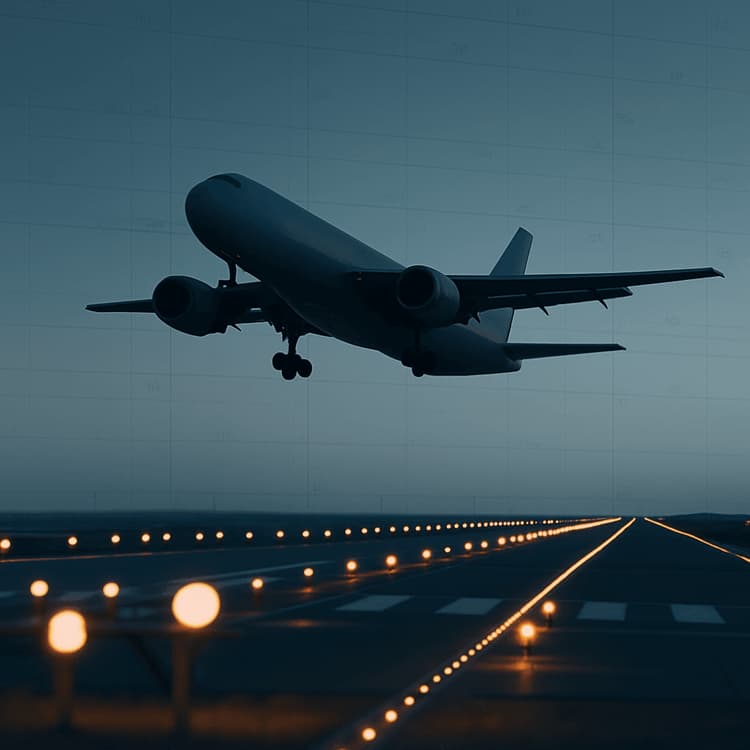
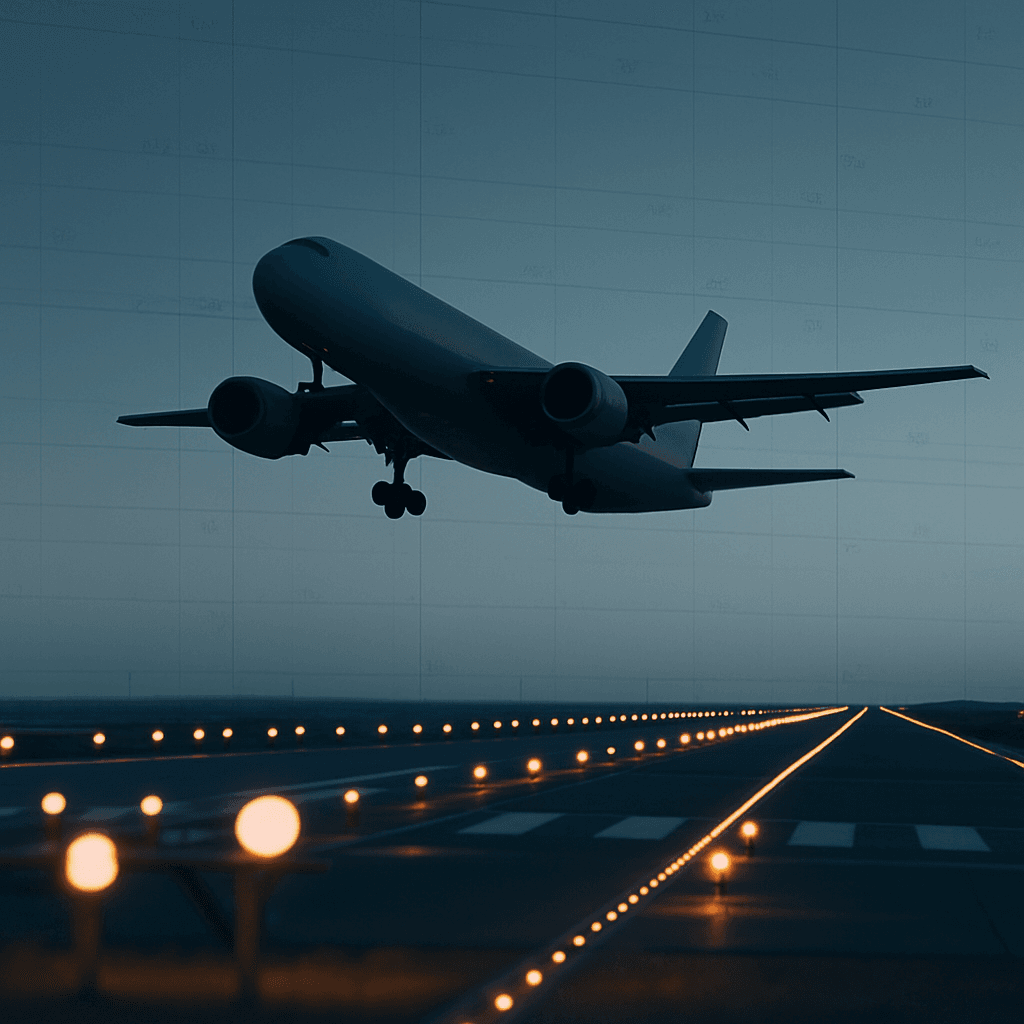
Poseidon Aerospace raises $60M ahead of first pilotless cargo aircraft test flight
- ■
Removes pilots entirely from cargo operations, addressing dual crisis of pilot shortage and freight economics
- ■
Funding before flight demonstration signals regulatory pathway confidence—investors betting on FAA approval timeline
- ■
Successful test validates autonomous cargo business model that could restructure industry economics within 3-5 years
The autonomous cargo aircraft industry just crossed from concept to imminent demonstration. Poseidon Aerospace secured $60 million ahead of its first pilotless test flight, marking the moment when investor capital commits to a regulatory pathway that has stalled commercial autonomous aviation for decades. The timing reveals confidence: funding before demonstration suggests the FAA approval process has become predictable enough to bet on. That's the inflection—autonomous cargo transitions from perpetual future to near-term economics.
Poseidon Aerospace just raised $60 million to prove something the aviation industry has discussed for years but never demonstrated at scale: cargo aircraft don't need pilots. The startup's first pilotless test flight, scheduled imminently, represents the transition from theoretical autonomous aviation to actual flight demonstration. That's not incremental progress—it's the removal of the single biggest barrier to commercial autonomous flight.
The economics are stark. Pilot costs represent 20-30% of cargo aircraft operating expenses, according to industry data. Remove that line item and the entire freight transportation model shifts. But the real inflection isn't just cost reduction—it's addressing a supply constraint that's choking cargo capacity. The pilot shortage has grounded aircraft and limited expansion for years. Autonomous systems don't have that problem.
What makes this moment distinct is the timing of the capital. Poseidon secured $60 million before demonstrating flight capability. That's unusual in aerospace, where funding typically follows successful tests. The inversion suggests something changed in investor perception of regulatory risk. The FAA pathway for autonomous cargo aircraft has become clear enough to bet on.
This mirrors the pattern we saw with autonomous ground vehicles in 2018, when regulatory frameworks solidified and capital flooded companies with clear compliance pathways. The difference: aviation regulatory approval takes longer but creates deeper moats. First movers who navigate FAA certification will have 18-24 months before competitors can match them.
The technical approach matters here. Poseidon isn't retrofitting existing aircraft with autonomy as an afterthought. They're designing pilotless operations from the ground up, which means airframe, avionics, and operational procedures all optimize for autonomous flight. That's a harder initial problem but creates a defensible position if the economics prove out.
Cargo represents the smartest entry point for autonomous aviation. No passengers means different safety calculus, simpler regulatory approval, and clearer ROI calculation. If you can prove reliable autonomous cargo operations, the technology pathway to passenger aircraft becomes visible. But that's 10-15 years out. The immediate opportunity is freight.
The market timing aligns with e-commerce logistics strain. Amazon, FedEx, and regional carriers are all capacity-constrained. Air freight demand grew 8.3% in 2025 while available cargo aircraft capacity increased just 2.1%, according to International Air Transport Association data. That gap creates openings for new operational models.
For investors, the $60 million round establishes valuation precedent in autonomous cargo aviation. Previous funding in this space topped out around $20-30 million at Series A. The jump to $60 million suggests institutional capital now views autonomous cargo as viable within 5-year fund cycles, not speculative 10-year bets.
The demonstration flight itself becomes the next critical threshold. Success proves technical capability and advances the FAA approval timeline. Failure resets investor confidence by 18-24 months across the entire autonomous aviation sector. That's why the funding-before-flight approach carries risk—but also why it signals genuine confidence in execution.
What's not yet proven is operational economics at scale. Test flights validate technology; commercial operations validate business models. The transition from successful demonstration to profitable routes will determine whether autonomous cargo aircraft represent a niche capability or industry restructuring. Early movers need to prove 40-50% cost reduction versus traditional cargo operations to justify the capital intensity of new aircraft development.
The regulatory precedent matters beyond Poseidon. A successful autonomous cargo certification pathway creates the template for every company attempting pilotless aviation. The FAA doesn't move quickly, but once a framework exists, subsequent approvals accelerate. First mover advantage in this market isn't just commercial—it's regulatory learning that compounds.
For traditional cargo carriers, the decision window is now. Autonomous cargo aircraft won't replace existing fleets overnight, but they will reshape route economics and capacity planning within 3-5 years if demonstrations succeed. Airlines that wait for full market validation risk ceding high-margin routes to autonomous operators with structural cost advantages.
Poseidon's $60 million raise ahead of demonstration marks the moment autonomous cargo aviation crosses from concept to execution. For investors, the 18-month window before competitors close the regulatory gap represents the high-conviction entry point. Enterprise cargo operators face a build-versus-buy decision within 12 months if test flights succeed. Aerospace professionals should note the skill shift—autonomous aircraft operations require software expertise over traditional piloting. The next threshold to watch: FAA certification timeline announcements following successful demonstration flights. That's when autonomous cargo transitions from possible to inevitable.